





What are the Advantages of Aluminum Scaffolding?
[edit] To help improve this article, click 'Edit this article' above.
Aluminium scaffolding has a number of advantages over some other types of scaffolding. Most of the advantages relate to ease of use and portability. When moving between different jobs, it is necessary to find a material that is lightweight and portable. Further, aluminium scaffolding offers easy set up in, and it is also less inclined to crack, which may give it better durability when compared to timber and fibreglass.
Aluminium scaffolding can also be very stable, though the supports must be of sufficient diameter and quality in order to get maximum stability. The best scaffolding will have reinforced joints, and be rated for significantly more weight than it would expected to support during typical use.
In addition to being easier to carry, the weight of aluminium scaffolding is very important in other ways. In the case of a suspended, or swingstage scaffold, the device is suspended by ropes or chains above the ground. The more the scaffolding weighs, the more supports will be needed to hold it, and the more the scaffolding weighs, the more danger it poses for the workers.
In the case of suspended scaffolding, the weight also poses other problems. Often, this type of scaffold is used for washing windows and working on the sides of glass structures that could be easily damaged. The aluminium scaffolding's lighter weight will help ensure there is less potential for damage. In some cases, the sides will even include rubber wheels, which provide further protection against delicate surfaces.
After aluminium scaffolding is taken to site, it can then be set up easily. In many cases, the aluminium support rails will be jointed with movable pieces. This allows the scaffolding to be folded and unfolded quickly. Once the main piece is unfolded, the platform can then be simply put into place. To further aid the portability, many aluminium scaffolds will also come with wheels.
The other factor to consider that may provide an advantage for aluminium scaffolding is the cost. When compared fibreglass and timber, aluminium may be the cheapest option. Even if it is only a little less per piece, most construction sites require a great deal of scaffolding, so the cost savings may be quite substantial in the end.
[edit] Related articles on Designing Buildings
Featured articles
Check out some of the best features and news from Designing Buildings as well as key stories from around the web.

Communities will be able to build their own clean energy.
Why diversity and inclusion matters for SMEs

CIOB’s D&I Charter shows how practical changes can support long-term growth.
Cut electricity bills to power growth

Coalition sends joint letter to the Chancellor.

Gasholders: a history in pictures. Book review.
Recognition, influence and growth

SocEnv identifies three strategic pillars in new strategy to 2045.
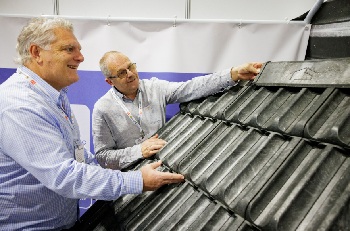
Discover the future of roofing, cladding and insulation.

New guidance for professional practice, cultural change and regulation in social housing.
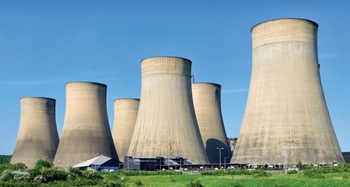
The heritage of nuclear and conventional power stations.
New measures to stop people being ripped off

Government to protect families from cowboy builders and aggressive bailiffs.

New Futurebuild showcase brings an innovation-first approach.
National Planning Policy Framework
Understanding the 2026 changes.
ECA's public affairs priorities

Member consultation opens to shape priorities for 2027 to 2030.
Comments
[edit] To make a comment about this article, click 'Add a comment' above. Separate your comments from any existing comments by inserting a horizontal line.
Why is there no comparison with steel?
This is a wiki site - so if you are unhappy with something, just click 'Edit this article' at the top of the page and change it.